
Addiction Education
What Happens If You Leave Rehab Early?

Entering rehab is one of the most important decisions a person can make when struggling with addiction. Treatment provides a safe environment where individuals can begin healing physically, emotionally, and mentally while developing the skills needed for long-term sobriety. However, not everyone completes their recommended program. Some people begin feeling better after detox, while others…
Read MoreThe Difference Between Physical Dependence and Addiction

Many people use the terms “physical dependence” and “addiction” as if they mean the same thing. Although the two conditions are closely related, they are not identical. Understanding the difference is important because someone can develop physical dependence without having an addiction, while addiction involves much more than the body’s physical response to a substance.…
Read MoreHow Addiction Affects Decision-Making and Judgment
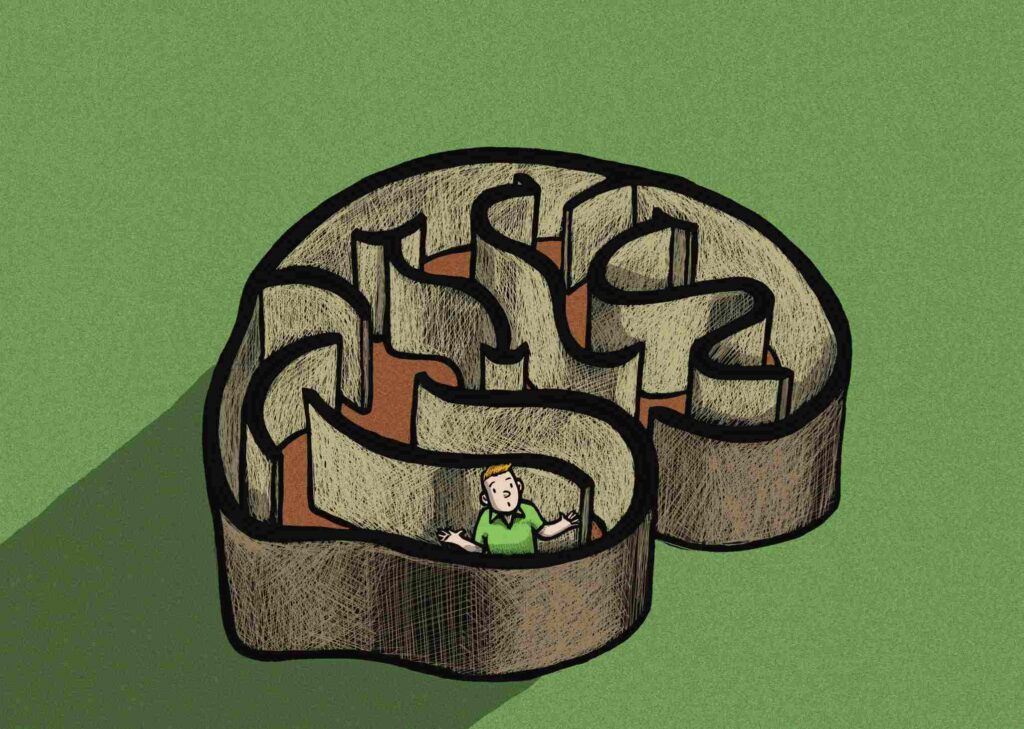
Addiction affects much more than physical health. It changes the way the brain processes information, controls impulses, and makes decisions. Many people struggling with substance use find themselves making choices they never imagined making before addiction developed. They may continue using drugs or alcohol despite serious consequences, damage important relationships, or engage in risky behaviors…
Read MoreHow Long Does Fentanyl Stay in Your System?
Fentanyl is one of the most powerful synthetic opioids available today. While it is prescribed medically to manage severe pain, illicitly manufactured fentanyl has become a major contributor to opioid overdoses throughout the United States. Because of its potency, many people have questions about how long the drug remains in the body, especially after stopping…
Read MoreAlcohol Withdrawal Seizures: When Emergency Medical Care Is Needed

For individuals struggling with alcohol addiction, deciding to stop drinking is a courageous first step toward recovery. Unfortunately, alcohol withdrawal can become medically dangerous for some people, especially those who have consumed alcohol heavily for long periods. While many people experience mild withdrawal symptoms, others develop serious complications that require immediate medical attention. One of…
Read MorePrescription Drug Addiction in Adults Over 50

Prescription medications help millions of older adults manage chronic pain, anxiety, sleep disorders, and other medical conditions. When used exactly as prescribed, these medications can improve quality of life and support long-term health. However, some prescription drugs also carry a risk of dependence, especially when used over extended periods or in higher doses than recommended.…
Read MoreAHCCCS Drug Rehab in Arizona: What Is Covered and How to Qualify

The cost of addiction treatment prevents many people from asking for help when they need it most. Someone may recognize that substance use is damaging their health, relationships, career, or family life but still assume professional treatment is financially out of reach. For qualifying Arizona residents, the Arizona Health Care Cost Containment System can remove…
Read MoreSigns of Meth Withdrawal: What to Watch For

Methamphetamine addiction affects people differently than many other substances. While alcohol and opioids often receive the most attention when discussing withdrawal, meth withdrawal can be equally challenging in its own way. The symptoms are often less focused on physical danger and more centered around intense emotional, psychological, and neurological changes that can make recovery feel…
Read MoreTherapy for Addiction Recovery: Why It’s Critical

Many people entering addiction treatment initially focus on one goal: getting substances out of their system. Whether someone is struggling with alcohol, opioids, methamphetamine, prescription medications, or another substance, detox often feels like the biggest obstacle standing between them and recovery. While detox is an important first step, it is only one piece of the…
Read MoreHow Structure and Routine Help Prevent Relapse

Recovery from addiction often becomes much more stable when daily life includes consistency, accountability, and healthy habits. Many people entering sobriety quickly realize that relapse prevention involves more than simply avoiding drugs or alcohol. Long term recovery usually depends on emotional stability, stress management, healthy coping mechanisms, and routines that support mental and physical wellness…
Read More