
Addiction Education
Why Structure and Routine Matter in Early Recovery
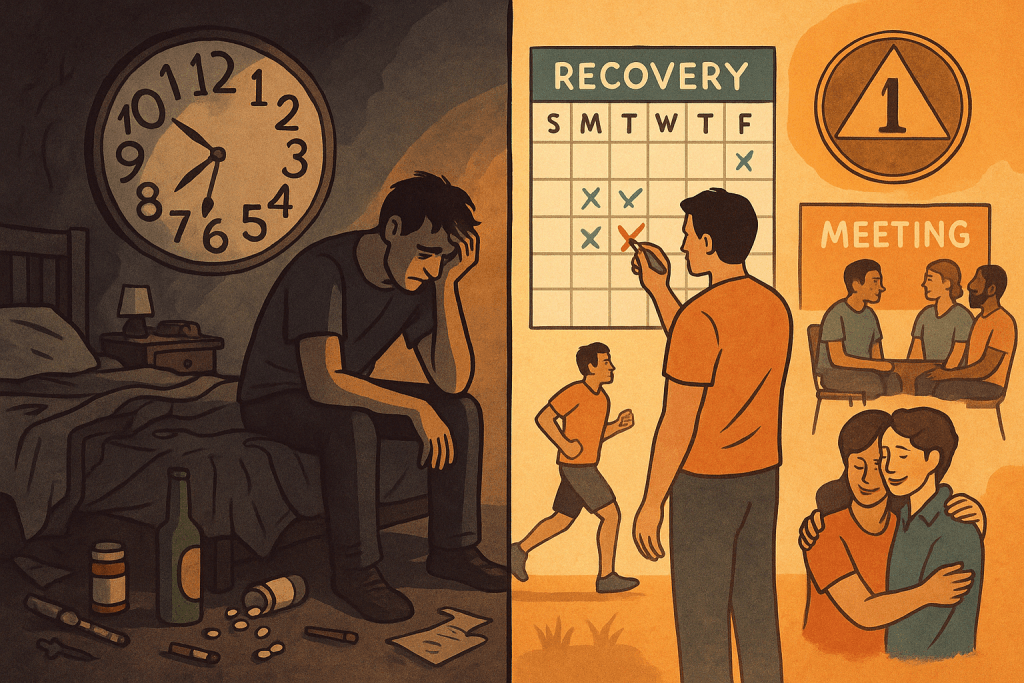
Recovery from addiction often involves rebuilding daily life from the ground up. During active addiction, routines can become chaotic, unpredictable, or centered around obtaining and using substances. Early recovery introduces a very different challenge: learning how to create stability and structure in daily life. Structure and routine matter in early recovery because they help replace…
Read MoreHealthy Coping Skills That Support Long Term Recovery

One of the most important parts of addiction recovery is learning how to manage life without relying on drugs or alcohol. Many people originally turned to substances as a way to cope with stress, emotional pain, or difficult life circumstances. While substances may have provided temporary relief, they often created larger problems over time. Recovery…
Read MoreHow Stress Affects Addiction Recovery

Stress is one of the most powerful forces influencing addiction recovery. Nearly everyone experiences stress in daily life, but for individuals recovering from substance use disorders, stress can carry additional risks. Emotional pressure, overwhelming responsibilities, and unexpected life challenges can all trigger memories of past substance use and increase the urge to return to old…
Read MoreThe Most Common Triggers That Lead to Relapse
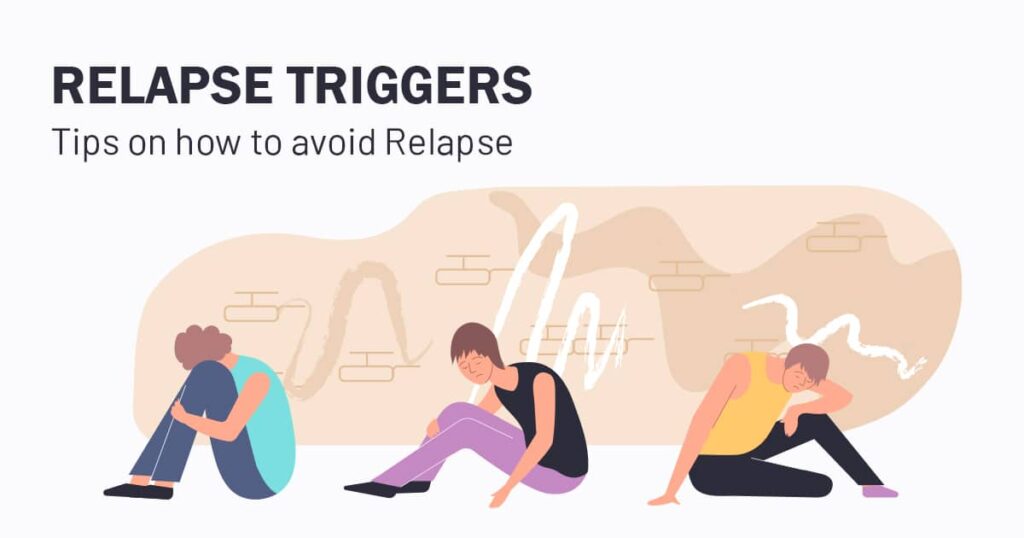
Relapse rarely happens without warning. In most cases, it develops through a buildup of stress, emotional pressure, environmental cues, and unhealthy patterns that slowly increase the risk of returning to substance use. This is why understanding the most common triggers that lead to relapse is such an important part of long term recovery. A trigger…
Read MoreWhy Relapse Happens During Addiction Recovery
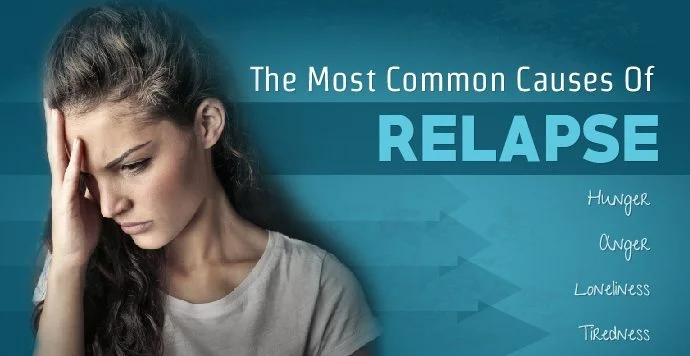
Recovery from addiction is a process that involves significant physical, emotional, and behavioral change. While many people make meaningful progress during recovery, relapse can still occur. Experiencing a relapse does not mean someone has failed in recovery. Instead, it often signals that certain challenges or triggers need additional attention and support. Understanding why relapse happens…
Read MoreWhy Cravings Happen During Addiction Recovery

Cravings are one of the most common challenges people experience during addiction recovery. Even after someone stops using drugs or alcohol, strong urges to use can still appear unexpectedly. These cravings can feel intense and confusing, especially for individuals who are committed to staying sober. Understanding why cravings happen during addiction recovery can help people…
Read MoreHow Long Addiction Recovery Really Takes

One of the most common questions people ask when beginning recovery is how long addiction recovery actually takes. The honest answer is that recovery does not follow a single timeline. Every individual experiences recovery differently depending on factors such as the severity of substance use, mental health conditions, personal support systems, and the type of…
Read MoreWhat Dual Diagnosis Treatment Means and Why It Matters
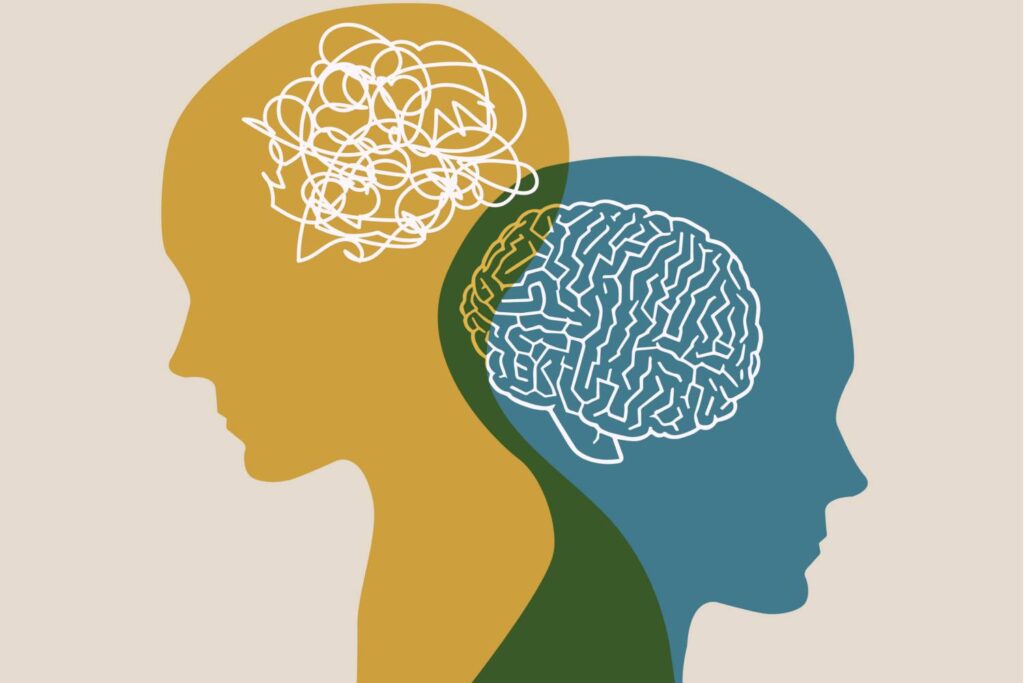
Many people who struggle with addiction also experience mental health challenges at the same time. Conditions such as depression, anxiety, trauma related disorders, or bipolar disorder frequently occur alongside substance use disorders. When both conditions are present, treatment providers often refer to the situation as a dual diagnosis. Dual diagnosis treatment focuses on addressing both…
Read MoreThe Role of Behavioral Therapy in Addiction Treatment

Addiction treatment involves more than simply helping someone stop using drugs or alcohol. While detox can address the physical effects of substance use, long term recovery often requires addressing the behavioral patterns and thought processes that contribute to addiction. Behavioral therapy plays a central role in helping individuals understand why they developed substance use problems…
Read MoreHow Therapy Supports Addiction Recovery

Addiction recovery involves much more than simply stopping substance use. While detox can help remove drugs or alcohol from the body, therapy plays a critical role in helping individuals understand the causes of their addiction and develop healthier ways to cope with life challenges. Therapy supports addiction recovery by addressing emotional, behavioral, and psychological factors…
Read More