
Posts Tagged ‘relapse prevention’
How Stress Affects Addiction Recovery

Stress is one of the most powerful forces influencing addiction recovery. Nearly everyone experiences stress in daily life, but for individuals recovering from substance use disorders, stress can carry additional risks. Emotional pressure, overwhelming responsibilities, and unexpected life challenges can all trigger memories of past substance use and increase the urge to return to old…
Read MoreThe Most Common Triggers That Lead to Relapse
Relapse rarely happens without warning. In most cases, it develops through a buildup of stress, emotional pressure, environmental cues, and unhealthy patterns that slowly increase the risk of returning to substance use. This is why understanding the most common triggers that lead to relapse is such an important part of long term recovery. A trigger…
Read MoreWhy Relapse Happens During Addiction Recovery
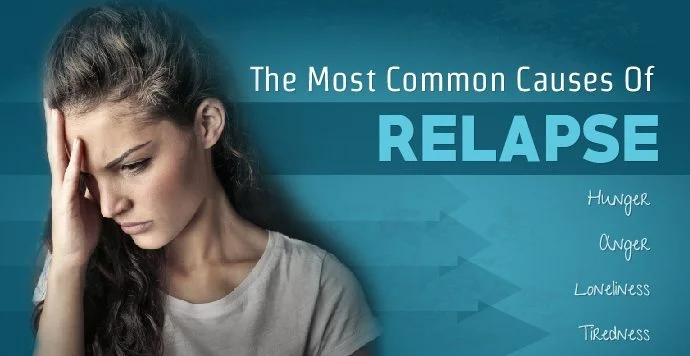
Recovery from addiction is a process that involves significant physical, emotional, and behavioral change. While many people make meaningful progress during recovery, relapse can still occur. Experiencing a relapse does not mean someone has failed in recovery. Instead, it often signals that certain challenges or triggers need additional attention and support. Understanding why relapse happens…
Read MorePreventing Relapse Long Term: What Actually Works
Relapse prevention is often discussed in early recovery, but preventing relapse long term requires more than initial awareness. Sobriety becomes more stable when individuals move beyond crisis management and build durable systems. Long-term relapse prevention is not about fear. It is about preparation, structure, and emotional growth. Addiction recovery strengthens when it becomes integrated into…
Read MoreBuilding Accountability in Addiction Recovery for Long-Term Stability

Accountability is one of the strongest predictors of long-term sobriety. Motivation fluctuates. Emotions change. Stress increases and decreases. Accountability provides consistency when internal discipline weakens. Building accountability in addiction recovery is not about punishment or surveillance. It is about structured support, transparency, and responsibility. Individuals who create clear accountability systems strengthen recovery resilience. Sobriety maintained…
Read MoreLong Term Recovery Planning Strategies That Prevent Relapse

Early recovery often feels urgent. The focus centers on detox, stabilization, and immediate sobriety. While those phases are critical, long-term recovery planning determines whether sobriety lasts beyond the initial months. Addiction is a chronic condition. Sustainable recovery requires structure that extends far beyond early treatment milestones. Long term recovery planning strategies focus on stability, emotional…
Read More10 Step Mental Health Plan for Addiction Recovery

Addiction recovery and mental health cannot be separated. Substance use often masks anxiety, depression, trauma, or mood instability. When sobriety begins, underlying mental health symptoms may become more visible. A 10 step mental health plan for recovery strengthens emotional resilience and reduces relapse risk. Recovery succeeds when mental health receives consistent attention. This 10 step…
Read More10 Step Recovery Plan After Rehab

Completing inpatient or residential treatment is a major milestone. It is not the finish line. Many individuals leave rehab feeling motivated, clear-headed, and hopeful. The real challenge begins after discharge, when structure decreases and daily life resumes. A 10 step recovery plan after rehab helps bridge the gap between structured treatment and independent living. Without…
Read More10 Steps to Build Healthy Coping Skills in Recovery
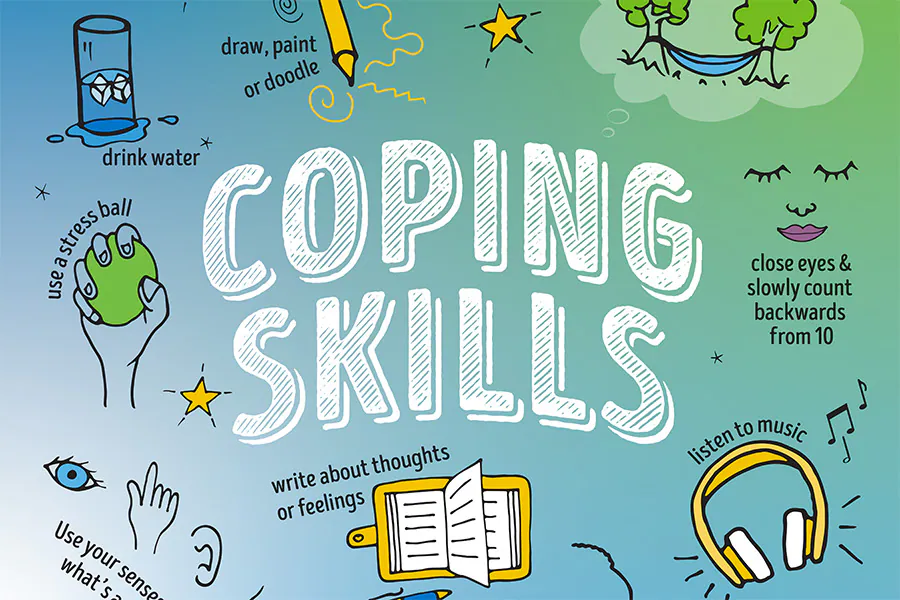
Substances often serve as shortcuts for emotional regulation. They numb anxiety, reduce tension, increase confidence, or provide temporary escape. When sobriety begins, those shortcuts disappear. Without new coping strategies, recovery can feel overwhelming. These 10 steps to build healthy coping skills in recovery can offer a practical path forward. Developing healthy coping skills in recovery…
Read More10 Step Relapse Prevention Plan for Long-Term Sobriety

Relapse prevention requires preparation, not just motivation. Many individuals feel confident early in recovery but underestimate the role of stress, emotional triggers, and environmental exposure. A structured plan reduces risk and increases stability. A 10 step relapse prevention plan creates clarity. It shifts recovery from reactive to proactive. This 10 step relapse prevention plan helps…
Read More