
Posts Tagged ‘relapse prevention’
How Structure and Routine Help Prevent Relapse

Recovery from addiction often becomes much more stable when daily life includes consistency, accountability, and healthy habits. Many people entering sobriety quickly realize that relapse prevention involves more than simply avoiding drugs or alcohol. Long term recovery usually depends on emotional stability, stress management, healthy coping mechanisms, and routines that support mental and physical wellness…
Read MoreWhy Environment Changes Matter During Recovery

Addiction recovery is influenced by far more than willpower alone. The environments people spend time in, the relationships surrounding them, the routines they follow, and the emotional atmosphere of daily life all affect long term sobriety outcomes. For many, environment changes during addiction recovery can play a crucial role in supporting sustained sobriety. Many people…
Read MoreHow Arizona Recovery Meetings Help Prevent Relapse

Relapse prevention is one of the most important parts of long term addiction recovery. For those seeking support, arizona recovery meetings and relapse prevention resources can play a vital role. While completing treatment or becoming sober is a major accomplishment, maintaining sobriety over time often requires ongoing support, accountability, emotional awareness, and healthy routines that…
Read MoreHow to Avoid Relapse During Arizona Holidays

Holidays can be one of the most difficult times of year for people in addiction recovery. While holidays are often associated with celebration, family gatherings, vacations, and social events, they can also bring intense emotional stress, social pressure, loneliness, and exposure to environments connected to alcohol or substance use. For individuals working to maintain sobriety,…
Read MoreHow to Stay Sober During Arizona Summers

Summer can be a difficult time for people in addiction recovery, especially in Arizona where extreme heat, disrupted routines, social pressure, and emotional stress often become more intense during the hottest months of the year. While many people associate summer with vacations, pool parties, and social events, individuals working to maintain sobriety may experience the…
Read MoreHow Desert Isolation Impacts Addiction Recovery

Recovery from addiction is not only a physical process. It is deeply emotional and psychological as well. While many people focus on detox, sobriety, and avoiding substances, long term recovery often depends on emotional stability, healthy relationships, and connection with supportive environments. Isolation can interfere with all of those areas, which is why loneliness is…
Read MoreWhat Causes Relapse After Treatment
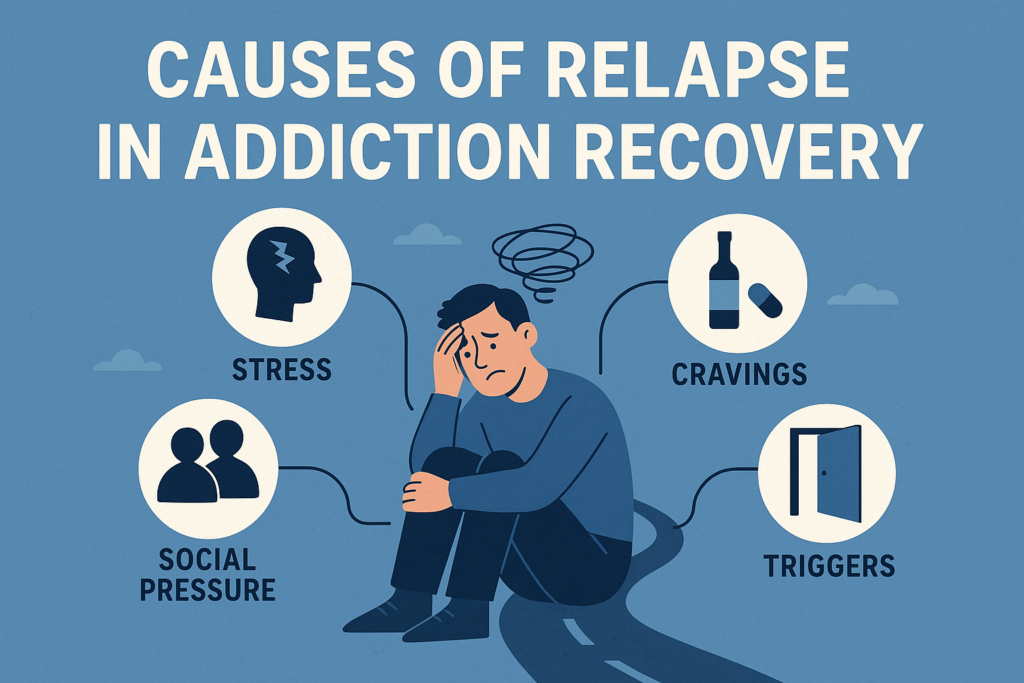
Understanding what causes relapse after treatment is critical because relapse does not happen randomly. It follows patterns, triggers, and underlying issues that build over time. Many people assume relapse is a sudden decision, but in reality, it often starts long before substance use happens again. Relapse is not a failure of recovery. It is usually…
Read More10 Steps to Create a Relapse Prevention Plan

Understanding 10 steps to create a relapse prevention plan is essential for maintaining long term recovery. A relapse prevention plan is not just a list of ideas. It is a structured approach to recognizing risks, managing triggers, and responding effectively when challenges arise. Relapse is not usually a single decision. It is often the result…
Read More10 Steps to Overcome Cravings in Early Recovery

Understanding 10 steps to overcome cravings in early recovery is essential because cravings are one of the most common and most dangerous challenges people face when they first stop using substances. Cravings are not just simple urges that can be ignored with willpower. They are deeply rooted responses involving the brain, body, and emotional state.…
Read More10 Steps to Stay Sober After Treatment Ends

Understanding 10 steps to stay sober after treatment ends is critical for maintaining long term recovery. Treatment provides a structured environment where support is built into daily life. When treatment ends, that structure changes, and maintaining sobriety becomes the individual’s responsibility. This transition can be challenging because it involves applying what was learned in treatment…
Read More