
How to Choose Between Local and Out-of-State Rehab Programs

Making the decision to enter addiction treatment is a significant step toward a healthier future. Once that decision has been made, another important question often follows: should you attend a local rehab program or travel to an out-of-state treatment center? There is no universal answer because every person’s circumstances, support system, addiction history, and recovery…
Read MoreArizona Drug Rehab Success: What Recovery Really Looks Like
When people search for Arizona drug rehab success, they are often hoping for reassurance. They want to know if treatment actually works, what recovery looks like after rehab, and whether lasting sobriety is truly possible. These are important questions because beginning addiction treatment can feel uncertain, especially for someone who has struggled with multiple attempts…
Read MoreWhat Happens If You Leave Rehab Early?

Entering rehab is one of the most important decisions a person can make when struggling with addiction. Treatment provides a safe environment where individuals can begin healing physically, emotionally, and mentally while developing the skills needed for long-term sobriety. However, not everyone completes their recommended program. Some people begin feeling better after detox, while others…
Read MoreHow Medication Assisted Treatment Fits Into Long-Term Recovery
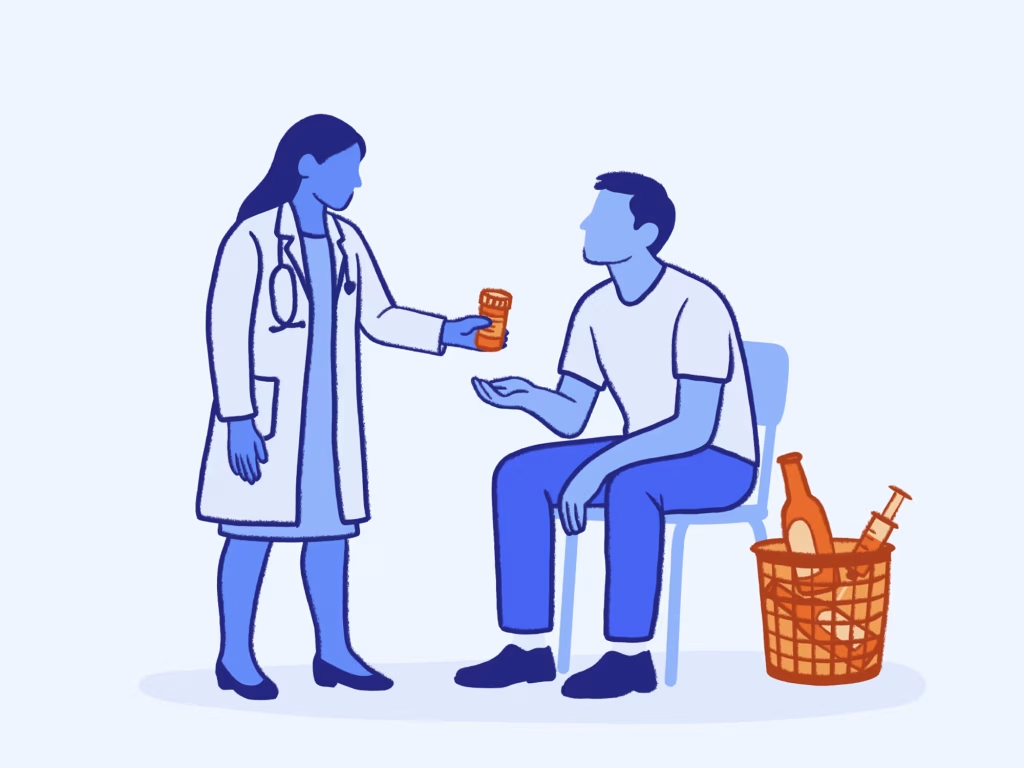
Recovery from opioid or alcohol addiction is about much more than stopping substance use. It involves rebuilding physical health, improving emotional wellbeing, developing healthy coping skills, and creating a stable lifestyle that supports long-term sobriety. For many individuals, one important part of that process is medication assisted treatment (MAT). Medication assisted treatment combines FDA-approved medications…
Read MoreCan Stress Trigger Relapse? What Science Says

Stress is a normal part of life. Everyone experiences financial pressures, relationship challenges, work responsibilities, health concerns, and unexpected setbacks. For individuals recovering from addiction, however, stress can present unique challenges. Many people in recovery worry that stressful situations might increase cravings or make it more difficult to maintain sobriety. Research has consistently shown a…
Read MoreThe Difference Between Physical Dependence and Addiction

Many people use the terms “physical dependence” and “addiction” as if they mean the same thing. Although the two conditions are closely related, they are not identical. Understanding the difference is important because someone can develop physical dependence without having an addiction, while addiction involves much more than the body’s physical response to a substance.…
Read MoreWhat to Expect During a Substance Abuse Assessment

Taking the first step toward addiction treatment can feel overwhelming, especially if you are unsure what to expect. Many people worry that they will be judged, pressured into treatment, or asked uncomfortable questions. In reality, a substance abuse assessment is designed to help healthcare professionals understand your unique situation so they can recommend the safest…
Read MoreHow Addiction Affects Decision-Making and Judgment
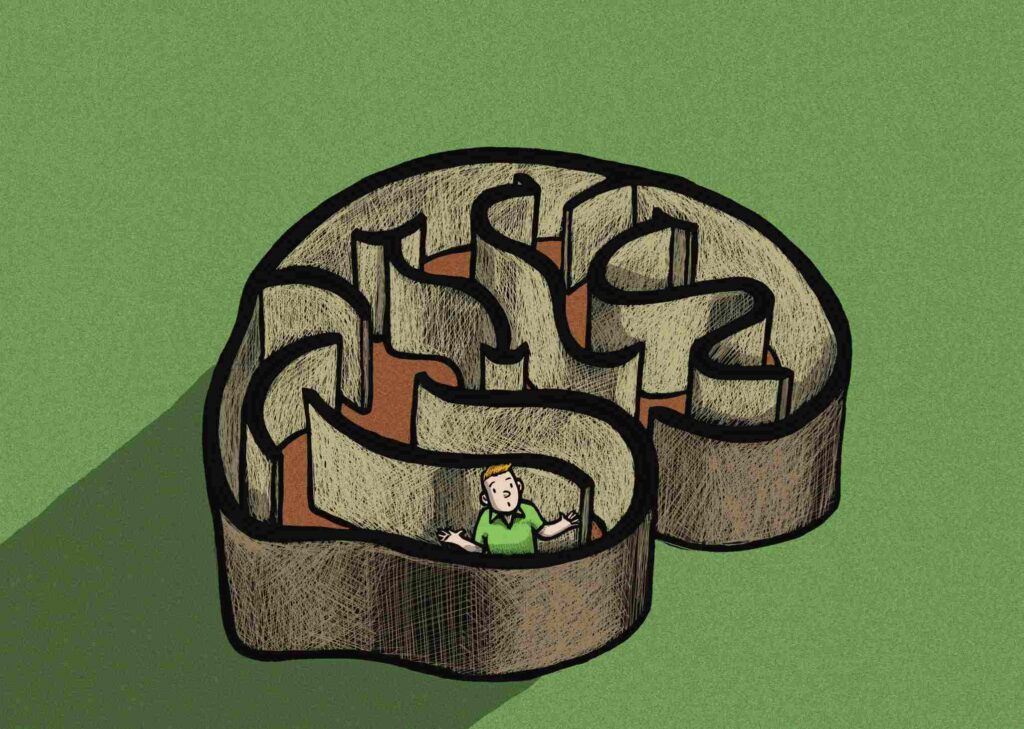
Addiction affects much more than physical health. It changes the way the brain processes information, controls impulses, and makes decisions. Many people struggling with substance use find themselves making choices they never imagined making before addiction developed. They may continue using drugs or alcohol despite serious consequences, damage important relationships, or engage in risky behaviors…
Read MoreCan Marijuana Addiction Require Professional Treatment?
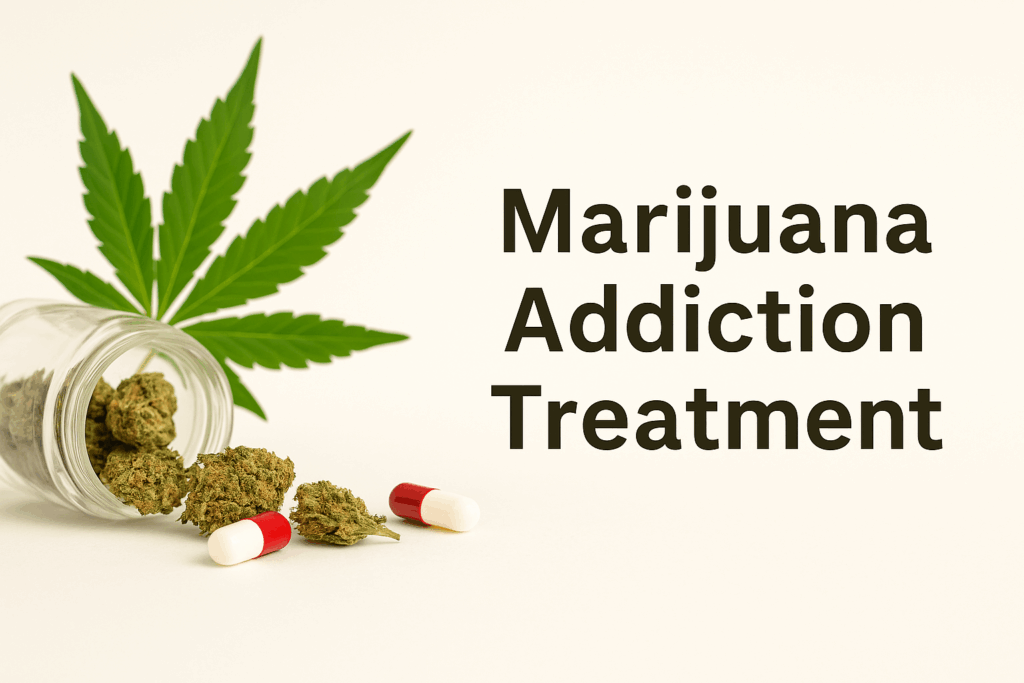
Marijuana is one of the most commonly used substances in the United States, and attitudes toward cannabis have changed significantly in recent years. As more states legalize medical and recreational marijuana, many people assume it cannot become addictive or lead to serious problems. While not everyone who uses marijuana develops a substance use disorder, some…
Read MoreCommon Reasons People Delay Going to Rehab and How to Overcome Them

Making the decision to seek addiction treatment is rarely easy. Many people recognize that drugs or alcohol are affecting their health, relationships, finances, or career long before they actually enter rehab. Even when someone genuinely wants to recover, fear, uncertainty, and practical concerns often delay treatment for weeks, months, or even years. Understanding why people…
Read More