
Posts Tagged ‘relapse prevention’
Why Trauma Makes Quitting Drugs Harder

Understanding why trauma makes quitting drugs harder is essential for anyone navigating recovery. Many people believe that quitting drugs is simply a matter of willpower or discipline. While effort is important, trauma adds a layer of complexity that can make the process significantly more difficult. Trauma affects the brain, the body, and emotional functioning. It…
Read MoreTrauma Triggers That Lead to Substance Use
Understanding trauma triggers that lead to substance use is critical for anyone trying to maintain long term recovery. Many people assume substance use is driven by conscious choice or lack of control, but in reality, it is often tied to automatic emotional and physiological reactions. Trauma can create patterns in the brain and body that…
Read MoreHow Trauma Affects Addiction Recovery Long Term
Understanding how trauma affects addiction recovery long term matters because addiction is often tied to much more than substance use alone. Many people enter recovery focused on stopping drugs or alcohol, but the deeper pain underneath the addiction often remains. Trauma can shape how a person thinks, reacts, trusts, copes, and handles stress. If that…
Read MoreHealthy Habits That Strengthen Long Term Sobriety
Recovery from addiction does not end when someone stops using drugs or alcohol. Long term sobriety requires building a lifestyle that supports stability, emotional balance, and healthy decision making. One of the most effective ways individuals protect their recovery is by developing habits that strengthen both physical and mental well being. Healthy habits provide structure…
Read MoreThe Role of Accountability in Addiction Recovery

Accountability is one of the most powerful tools supporting long term addiction recovery. While recovery begins with a personal decision to stop using substances, maintaining sobriety often requires ongoing support and honest self reflection. Accountability helps individuals remain aware of their choices, stay committed to recovery goals, and recognize when they may need additional support.…
Read MoreHow Therapy Helps People Recover From Addiction

Addiction recovery often involves more than simply stopping substance use. Many individuals struggling with addiction face underlying emotional, psychological, and behavioral challenges that contributed to substance use in the first place. Therapy plays a critical role in helping individuals address these issues while developing healthier coping strategies. Through structured guidance and professional support, therapy helps…
Read MoreWhy Community Support Is Critical in Addiction Recovery

Addiction recovery can be a deeply personal journey, but it is rarely successful in complete isolation. One of the strongest predictors of long term recovery is having consistent support from others who understand the challenges involved. Community support provides encouragement, accountability, and connection during a time when many individuals are rebuilding their lives. For people…
Read MoreThe Science Behind Addiction Cravings Explained
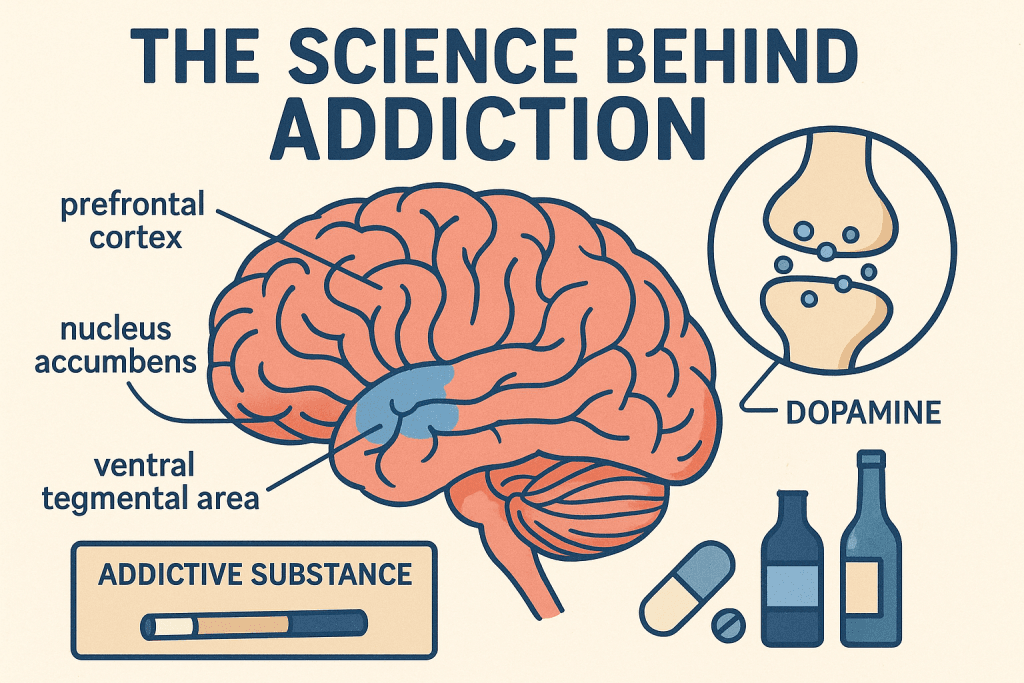
Cravings are one of the most commonly discussed experiences in addiction recovery. Many individuals describe cravings as sudden urges or intense desires to use drugs or alcohol again. These urges can appear even after someone has committed to sobriety and begun building a healthier life. Understanding the science behind addiction cravings helps explain why they…
Read MoreWhy Structure and Routine Matter in Early Recovery
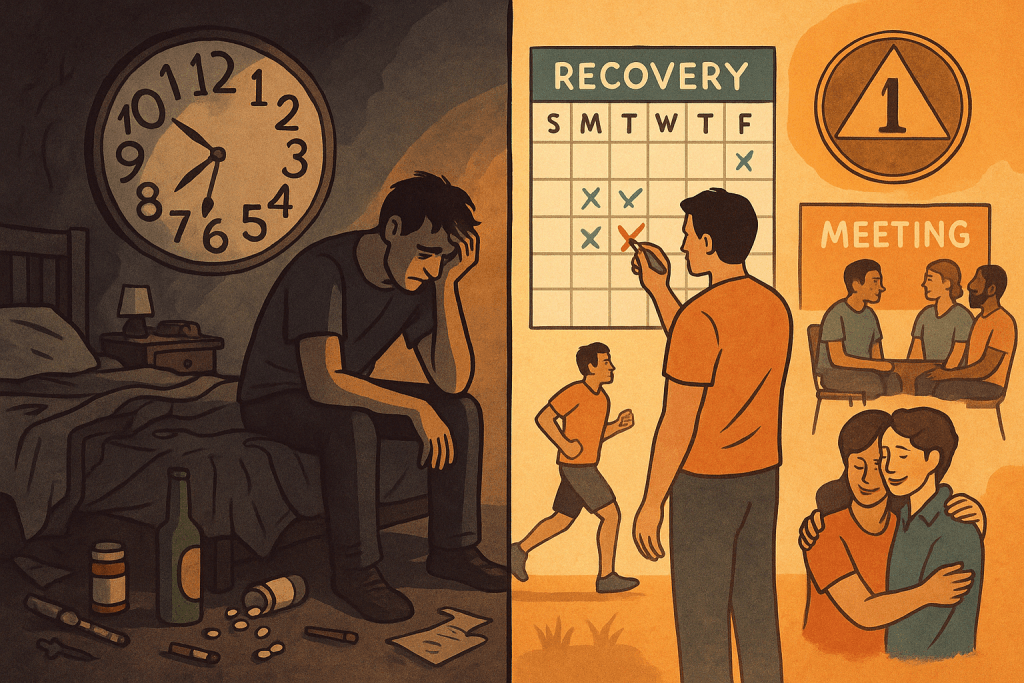
Recovery from addiction often involves rebuilding daily life from the ground up. During active addiction, routines can become chaotic, unpredictable, or centered around obtaining and using substances. Early recovery introduces a very different challenge: learning how to create stability and structure in daily life. Structure and routine matter in early recovery because they help replace…
Read MoreHealthy Coping Skills That Support Long Term Recovery

One of the most important parts of addiction recovery is learning how to manage life without relying on drugs or alcohol. Many people originally turned to substances as a way to cope with stress, emotional pain, or difficult life circumstances. While substances may have provided temporary relief, they often created larger problems over time. Recovery…
Read More